
“All that man needs for health and healing have been provided by God in nature; the challenge of science is to find it.”
-Paracelsus
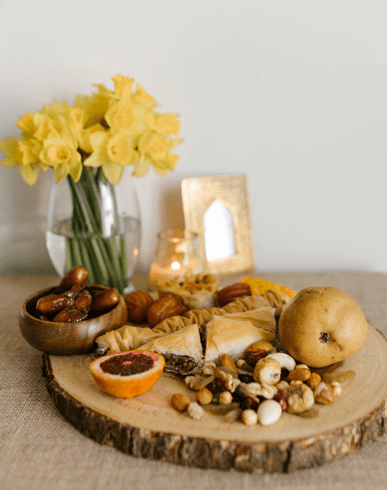
In the beginning since creation, God intentionally created plants and herbs for human use, herbs that are part of His provision for sustenance. I want to share some of these particular herbs mentioned in scripture along with their purpose and how they were used biblically.
- Aloe — Aloe was used in the preparation of Jesus’s burial (Psalm 45:8) It has been commonly known to aide in hydration, many skin conditions, and digestion. Today, research has shown that aloe also helps regulate blood sugar in type 2 diabetes, decreases effects of liver damage, and has antibacterial, antiviral, and anti-inflammatory properties
- Myrrh — Myrrh was another herb used in the burial of Jesus, as well as anointing oil. (John 19:39) It supports oral health, wound healing, pain relief, inflammation, and immunity due to its antimicrobial properties. Myrrh also has antioxidant properties that aid in anti-aging.
- Spikenard — Spikenard was used as an aromatic herb to anoint the feet of Jesus before His death. (John 12:3) This herb aids in the nervous system and in sleep by calming the mind and supporting sleep quality. It also benefits in healthy skin, hair, and digestion.
- Saffron — Saffron was mentioned in Song of Solomon 4:14. It reflects the richness of the natural world as it emphasizes its association with love, beauty, and desirability. Evidence shows Saffron is beneficial for anxiety and depression by acting as a natural mood stabilizer. It reduces PMS symptoms and period pain, as well as balances hormones. It also helps protect cells and brain health from oxidative stress due to its antioxidant properties.
- Calamus — Calamus was used as anointment in worship. (Exodus 30:23) This herb aids in digestion by stimulating bile and digestion enzyme production, as well as supports a healthy appetite and relief of mild gastrointestinal discomfort. Research shows that Calamus has anti-inflammatory and analgesic properties that assist in joint, muscle pain, and migraines. In addition, it also supports respiratory health by offering asthma relief.
- Cinnamon — Cinnamon was commonly used in sacred anointing oil for worship. (Exodus 30:23) This herb has anti-inflammatory, antioxidant, antimicrobial, and metabolic properties. These properties assist in management of blood sugar levels and cholesterol that support cardiovascular health. It can also support memory and enhance cognitive function, reduce chronic inflammation, aid in digestion, assist in immunity by healing antifungal and bacterial infections, and benefits in many respiratory conditions.
- Mustard Seed — The mustard seed symbolizes faith. (Matthew 13:31-32) Mustard seeds have many benefits that contribute to digestion, cardiovascular health, respiratory health, skin, and immunity. They help fight harmful microbes, improve gut function, reduce inflammation, lowers blood pressure, reduces chest congestion, strengthens bone density, promotes healthy skin and hair, stabilizes glucose levels, boosts brain function, promotes healthy liver function, reduces headaches, and slows the aging process.
- Balm of Gilead — The “Balm in Gilead” symbolizes healing and restoration. It was used as a medicinal resin for healing wounds. (Jeremiah 8:22) It contains natural anti-inflammatory agents that assist in swelling and pain found in muscles and joints. It also helps cleanse wounds while promoting healing, reduces irritation from many skin conditions, and has antioxidant and antibacterial properties. Evidence shows this herb has aromatic compounds that have expectorant qualities that assist in the respiratory system.
- Frankincense — Frankincense has been used as incense during worship by showing reverence. (Matthew 2:11) It can assist in many body systems. Frankincense benefits antimicrobial action, inflammation control, pain relief, and assists in immunity. It soothes skin irritation, slows down aging, aides in digestion and gut discomfort, promotes oral health, and has anti-cancer properties. It can inhibit cancer growth and has been used for cancer treatment support world-wide.
- Hyssop — Hyssop was used in purification rituals including Passover. (Exodus 12:22; Psalm 51:7) Hyssop supports respiratory health, digestion, liver function, emotional well-being and clarity, and cellular health. It is traditionally used to relieve respiratory conditions, including asthma. Hyssop also increases blood circulation, which benefits the heart, muscles, and joints, protects cells from free radical damage, which lowers the risk of certain cancers, as well as assists in aging. Its antimicrobial properties help fight infections, promote healing, and supports overall immune function.
Scripture:
Genesis 9:3 “Every moving thing that lives shall be food for you. I have given you all things, even as the green herbs.”
Ezekiel 47:12 “Along the bank of the river, on this side and that, will grow all kinds of trees used for food; their leaves will not wither, and their fruit will not fail. They will bear fruit every month, because their water flows from the sanctuary. Their fruit will be for food, and their leaves for medicine.”
Revelation 22:2 “Through the middle of the street of the city; also, on either side of the river, the tree of life with its twelve kinds of fruit, yielding its fruit each month. The leaves of the tree were for the healing of the nations.”
Song of Solomon 4:14 “Nard and saffron, calamus and cinnamon, with all trees of frankincense, myrrh and aloes, with all choice spices—”

 Welcome to Soulful Reflections!
Leave a comment